

Meet our network
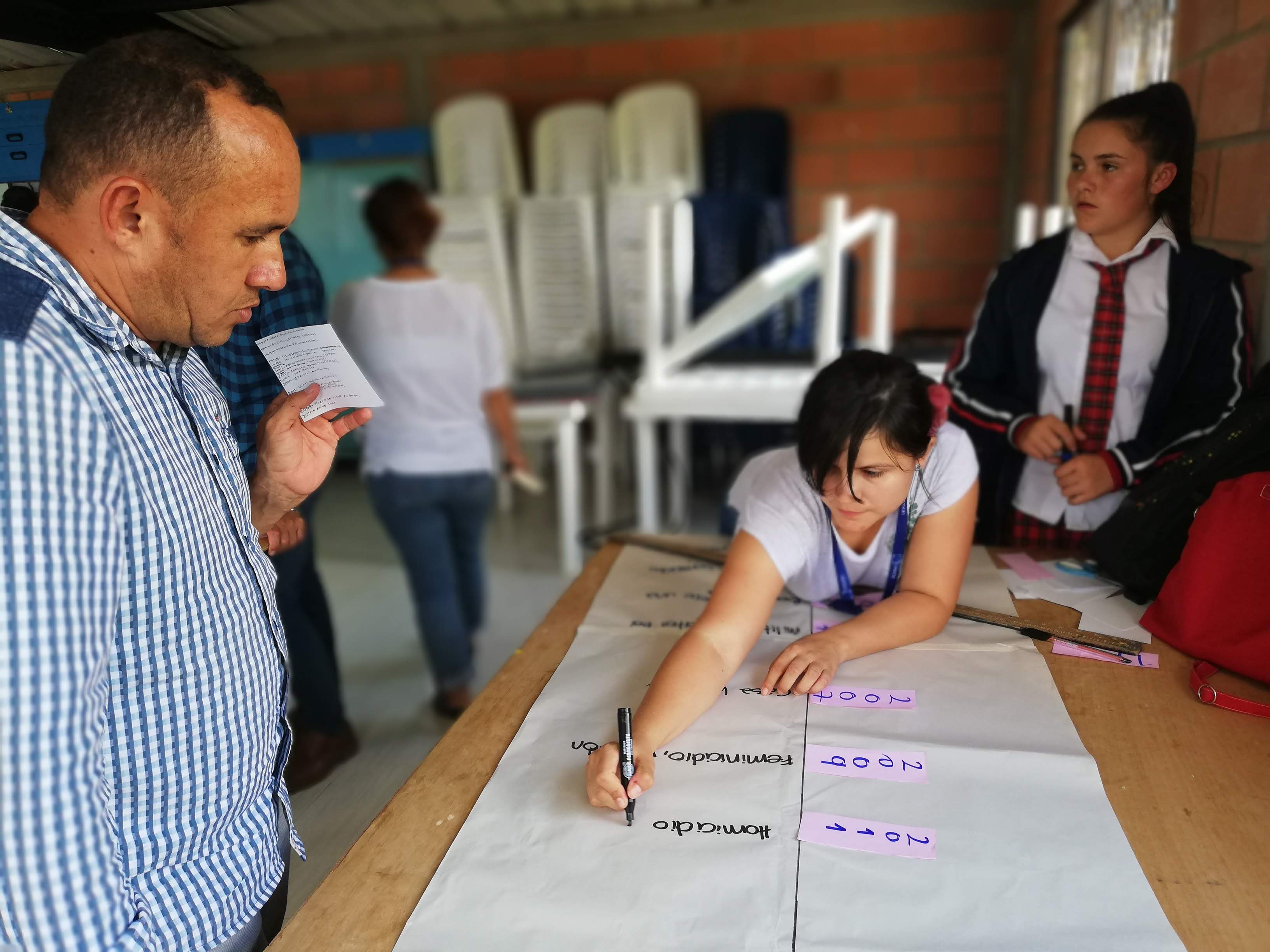
Irene Piedrahita Arcila
I am an anthropologist with a master’s degree in political science from the University of Antioquia in Medellín, Colombia. I am studying for a PhD in Politics & IR at the University of Glasgow, Scotland, and I am a lecturer at the Institute of Political Studies at the University of Antioquia. I have worked as a researcher on the armed conflict at the Colombian Truth Commission, working with narratives of victims and perpetrators. I am also interested in reflective and participatory methodologies oriented to memory work, narratives, and oral history.
Interest in Latin America: Memory, narratives, peacebuilding, Colombia, civil wars, and armed conflicts
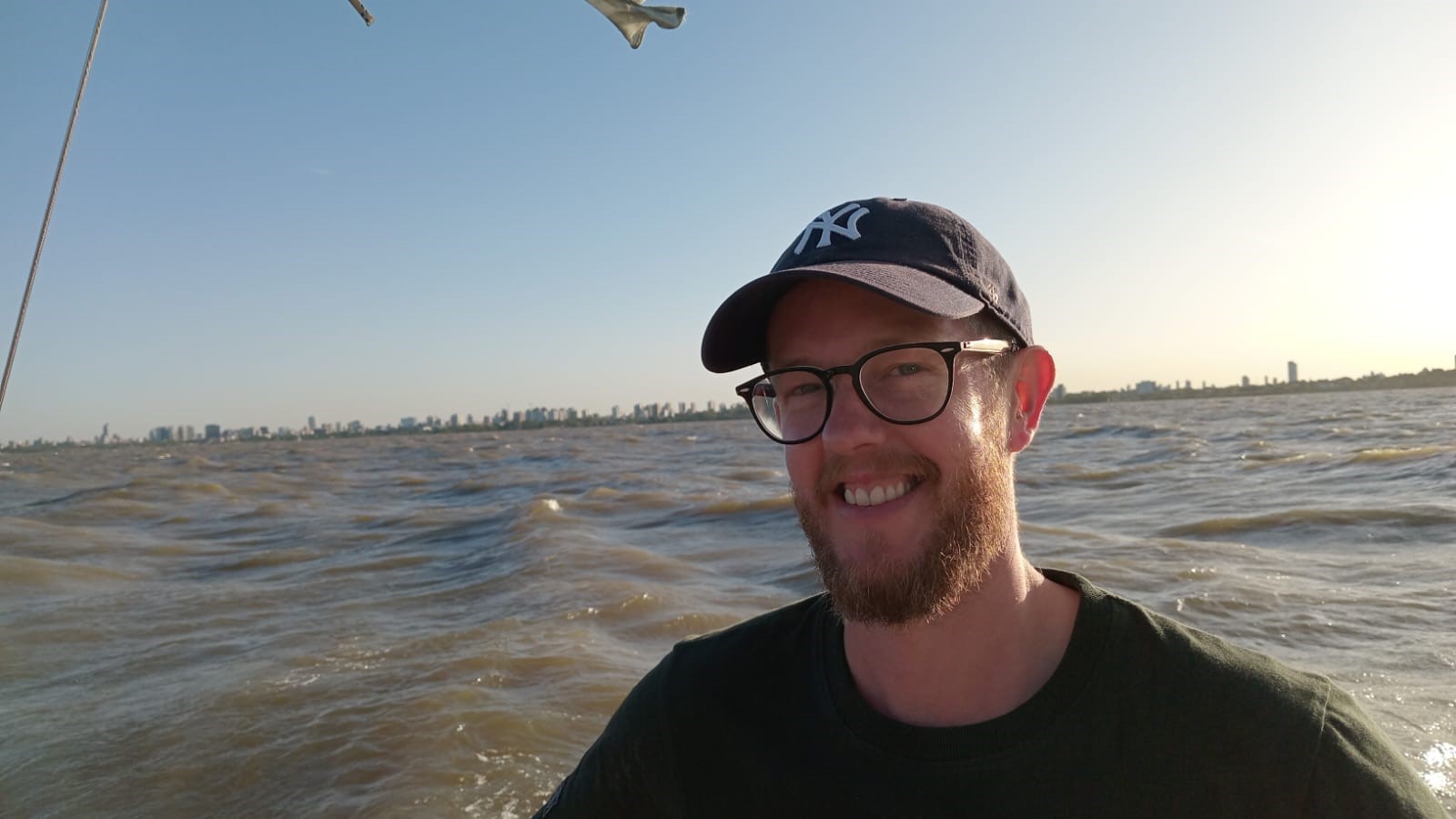
Matt Barlow
Matt Barlow is Lecturer in International Political Economy at the University of Glasgow, and he is a Research Fellow at IBEI, Barcelona, Spain. His research interests are in the political economy of taxation, political economy of development and the global governance of development. His research is situated in two regions of the global South: Latin America and Africa, and explores themes of tax ideologies, sociology of the developing state, political economy of gender and regionalism. He has twice been a visiting researcher at the Universidad Torcuato di Tella in Buenos Aires, Argentina.
Previously, he was a postdoctoral research fellow in the Department of International Development at King’s College London. Before this he was an Associate Lecturer in the Department of Politics at the University of York where he was awarded his PhD. During this time, he also worked as a research associate in the Interdisciplinary Global Development Centre at the University of York where he was part of a team working with academic and civil society partners across a number of funded projects: GCRF-RCUK funded Thanzi la Onse (Health for All), GCRF funded Gender and Health Systems After Covid-19: The Role of Policy and the GCRF funded The natural resources economy in South America: Extraction, Sustainability and Citizenship.
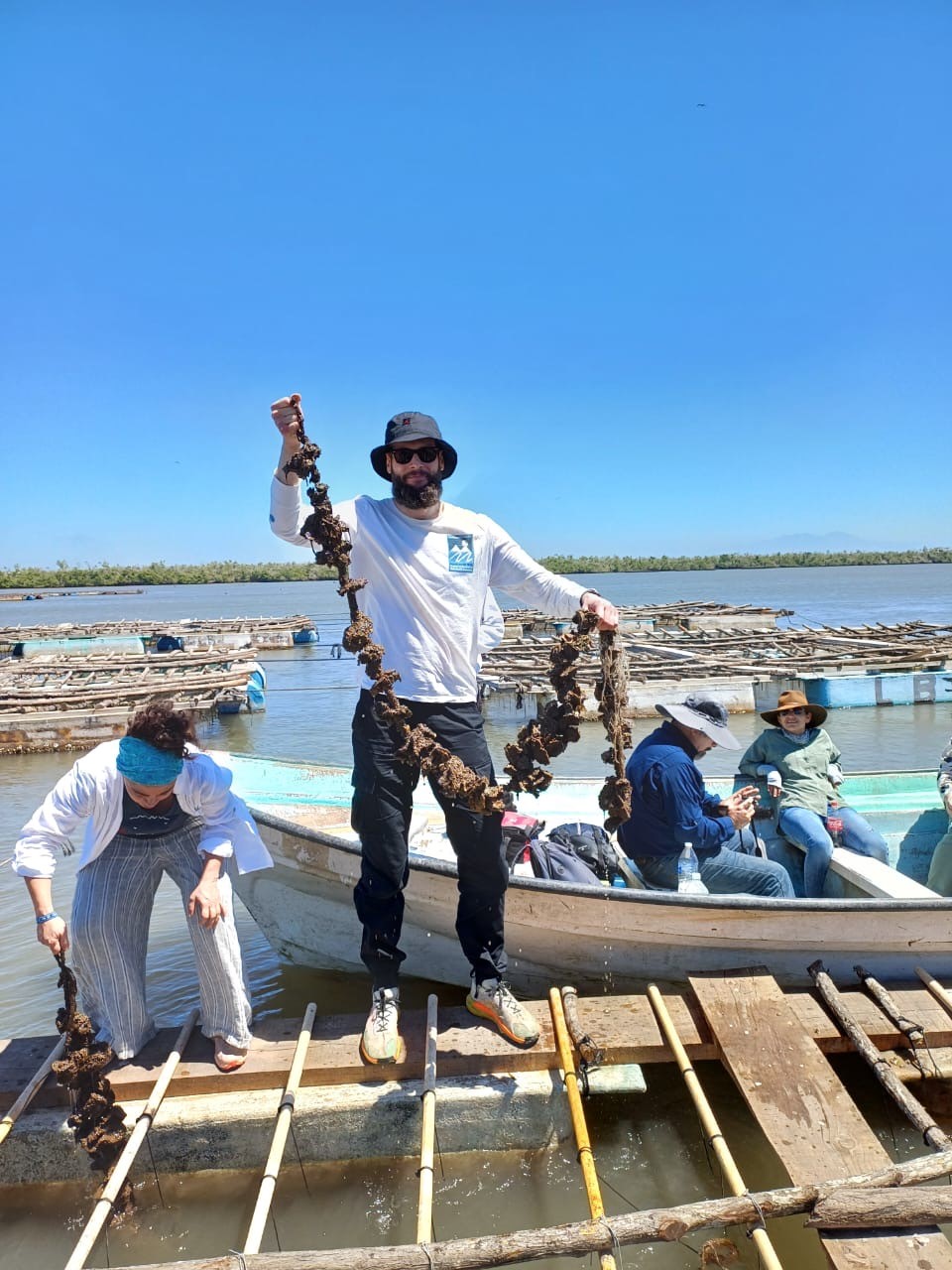
Allan Gillies
I joined the School of Social and Political Sciences in April 2021 as Lecturer in Global Economy. My research examines the political economies of transnational illicit commodities in Latin America. I interrogate the intersections of illicit economies with processes of state-making and conflict, political transition, socio-environmental crises, and the livelihood strategies of marginalised communities. My work intervenes in debates around the causes of drug violence in Latin America, state development, democracy and the dynamics of socio-environmental conflict. I have conducted extensive fieldwork in Bolivia and Colombia, using oral history interviews, archival sources and participatory methods to map illicit economies and their effects.
Interests in Latin America: the politics of illicit economies; socio-environmental conflicts; and football!

Soledad Montañez
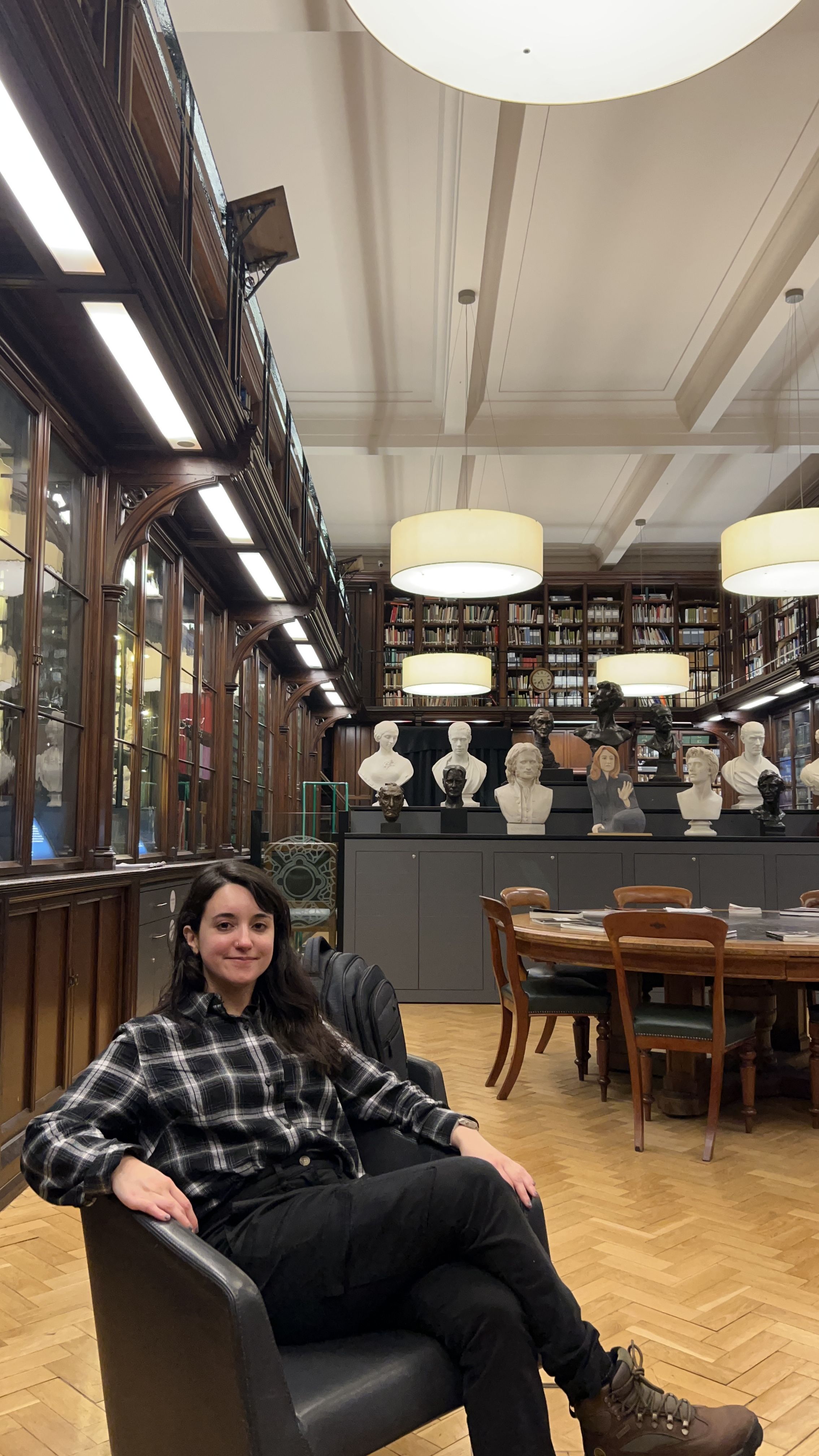
Emilia Arpini
Emilia is a political scientist, and Doctor in Social Sciences at the University of Buenos Aires, Argentina. Currently she is finishing her second PhD, now in Politics, here at the University of Glasgow. She specialises in the topics of participation and local politics. Her current research project focuses on experiences of agroecology in public spaces, led by workers and activists from social and popular economy movements in Argentina. She is also participating in collective research projects involving the topics of remunicipalisation, that is, experiences of deprivatisation and public ownership at the local scale, as well as economic democracy initiatives, where people can participate in economic decisions regarding public services, public spending, and community wellbeing.
Research Interests in Latin America: #PopularEconomy, #SocialEconomy, #Agroecology, #SocioEnvironmentalActivism, #Participation, #ParticipatoryBudgeting #Argentina
If you know where to buy good Argentinian dulce de leche in Glasgow, send her a message!

Antonio Ivan Sánchez Hervás
I am a doctoral candidate with the School of Social and Political Sciences, registered under Economic and Social History. For the course of my postgraduate research career, I have also been a member of the Medical Humanities Research Network. My background is on quantitative methodologies for the social sciences as well as ESH, and I completed an MSc in History with a focus on material culture and conflict archaeology. I offer services as a translator and interpreter and during my MSc worked briefly on translating Argentinian accounts of the Malvinas War. My current research is on the medico-legal history and the experiences of transition of intersex individuals in the 20th century and is currently funded by an ESRC doctoral studentship (2022). I aspire to make contributions to this field from a LATAM context and advocate for the introduction of indigenous methodologies and transcontinental dialogue into academic practice.

Julieta Lobato

Evelyn Uribe Navarrete
I am a political scientist with a PhD in Politics and a Master’s degree in International Cooperation for Development from Instituto Mora in Mexico. My professional experience includes working with international organizations across South America, where I contributed to initiatives at the intersection of sustainability, corporate social responsibility (CSR), and business and human rights.
Currently, I work as a Research Associate at the University of Glasgow, leading a project on the effects of the energy transition in the Atacama Desert, with a particular focus on its social, environmental, and governance dimensions.
My research is driven by a commitment to producing knowledge that inspires meaningful action and fosters inclusive dialogue. I aim to create collaborative spaces that bring together governments, businesses, academia, and civil society to address complex challenges in sustainable development.
I am particularly interested in issues related to Indigenous Peoples, local communities, participatory governance, and the role of traditional knowledge in shaping equitable energy transitions. My regional focus includes Mexico and Chile, with a growing interest in Bolivia.
Evelyn Arizpe

Julia McClure
Lloyd Belton
Lloyd is a British Academy Postdoctoral Fellow in the School of Humanities where he researches and teaches on the history of colonialism and imperialism in Latin America and West Africa. His current project looks at the economic networks, political associations and social lives of West African sailors in the wider Atlantic world, including in the British, French, Spanish and Portuguese empires (ca. 1750-1900). Separately, he is finalising his first monograph entitled A Deep Interest in Your Cause: The Inter-American Sphere of Black Abolitionism and Civil Rights (under contract with LSU Press), which examines the lives and work of Black Latin American and Caribbean activists in the nineteenth-century United States. Prior to Glasgow, Lloyd completed his PhD in History at the University of Leeds.
Interest in Latin America: Cuba; Brazil; slavery and abolition; the Atlantic slave trade; race and resistance.
Björn Heile
Björn Heile is Professor of Music (post-1900) at the University of Glasgow. He specializes in new music, experimental music theatre and jazz, with particular interests in embodied cognition and global modernism, focusing on Latin America. In Latin American Music Studies, he has published a book and several articles on the music of the Argentine-German composer Mauricio Kagel, a book chapter on ‘Serialism in Latin America’ and a journal article on the German-Brazilian composer Hans-Joachim Koellreutter (forthcoming). His most recent book is Musical Modernism in Global Perspective: Entangled Histories on a Shared Planet (forthcoming at Cambridge University Press).
Luz Cáceres
Luz (she/her/ella) is a third-year doctoral researcher in theatre studies and an associate fellow of the Higher Education Academy. With over ten years of teaching experience, Luz has served as a Spanish language tutor, a year abroad convener, a student advisor and a graduate teaching assistant. Luz is currently researching testimonial theatre of resistance and democratic practices in civil society in Guatemala, El Salvador and Honduras. She leverages interdisciplinarity and radical ethnography to engage with decolonising research methodologies. Her Ph.D. project is funded by SGSAH and co-supervised in collaboration between the University of Glasgow and Stirling University. When she is not working on her thesis, you can find Luz cooking delicious and sustainable recipes or taking part in community food security actions in Glasgow.
luz.cacerespaton@glasgow.ac.uk
@luzpapaya
Eneida García Villanueva
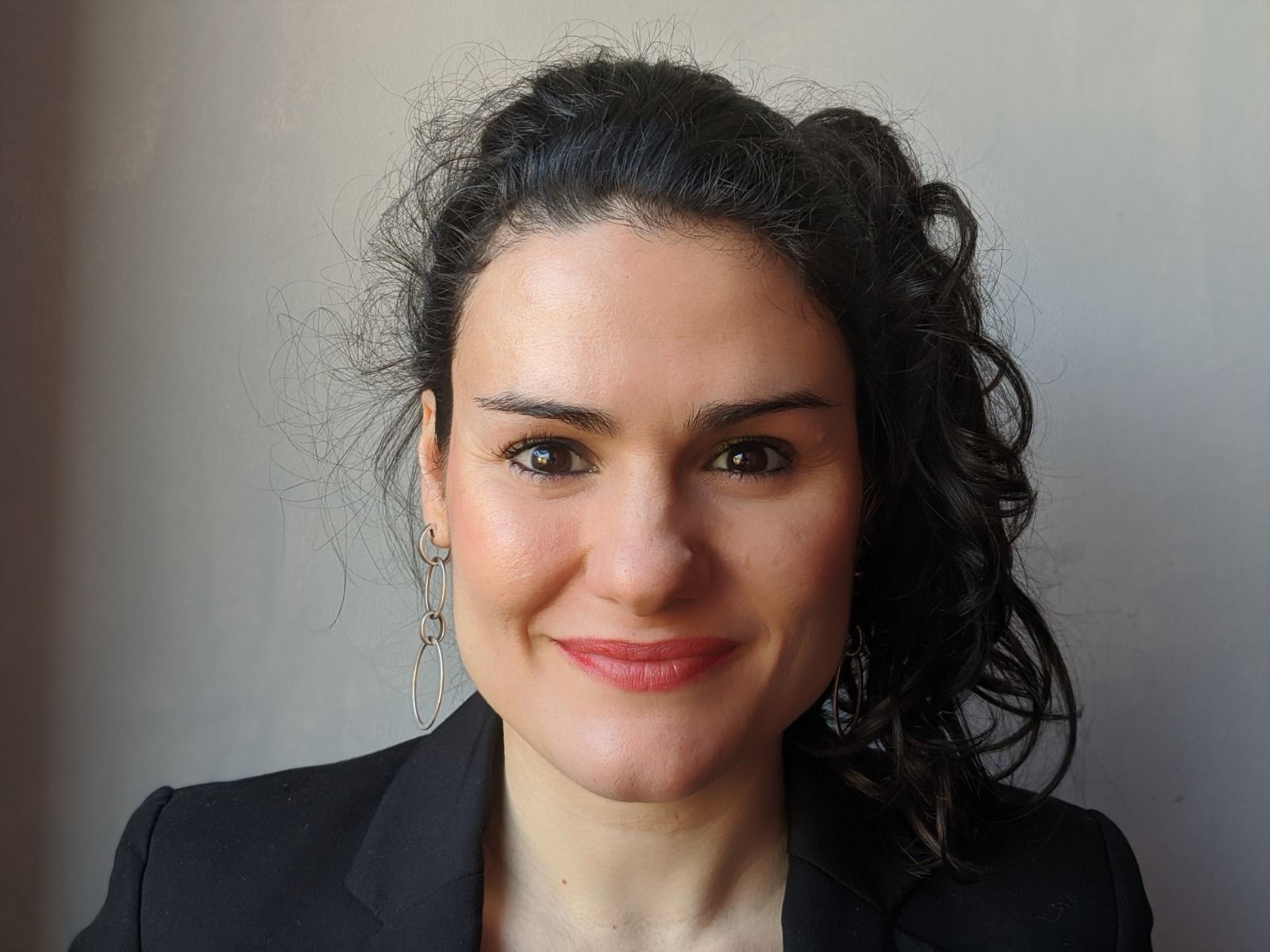
I am currently a final-year doctoral candidate at the School of Modern Languages and Cultures working on a project exploring family language policy and child language brokering (CLB) in the Scottish healthcare context. My professional career as a public service translator and interpreter sparked my academic interests in child language brokering, which refers to the translation, interpreting and cultural mediation that children and young people perform for members of their linguistic community. CLB has tremendous impact, for the brokers themselves, their families, the public sector, and wider society. I predominantly work with Latin American transnational families and investigate how they experience this well-established – albeit virtually invisible, and oftentimes neglected – social practice.
As an ECR, since 2018 I am the Principal Investigator in All the World is Our Stage: primary pupils never lost in translanguaging, a project testing and examining pedagogical translanguaging in mainstream primary education across Scotland. This research is aimed at raising the profile of multilingualism and the value of multilingual education for social justice, equality, and inclusion.
María Fernanda Ortiz Vivas
María “Fer”nanda Ortiz Vivas (she/they) is a graduate student of Reparatory Justice in University of Glasgow and University of West Indies with a degree in Comparative Literature from the University of Puerto Rico Mayagüez. They have written and published poetry in anthologies, magazines, and newspapers, as well as presented research in symposiums. Nurtured by collaborations with multiple collectives and peoples who work towards Caribbean decoloniality and freedom inside and outside of academia, she is dedicated to “repair work”. Born and bred in a coastal southern town in Puerto Rico, their passions will always be history, culture, food, live arts, and our beloved Caribbean islands. Her current research is focused on the Spanish compensation scheme in Puerto Rico after the abolition of slavery and, on the other hand, in exploring coasts, space, memory and infrastructural reparations as a forms decolonial repair.